For UAPs
In-Service Training for UAPs
The annual training hours your unlicensed care team needs, taught so they actually stick.

Most states require in-service training for CNAs and care team members at assisted living communities. Engagement Through Education makes that training easy to access and worth attending.
Texas sets the floor in 26 TAC §553.253. Direct-care staff need four hours of orientation before taking on any job responsibility, 16 hours of supervised on-the-job training within their first 16 hours of work, and six documented hours of education every year. One of those six has to cover fall prevention and one has to cover behavior management. Communities employing licensed nurses or certified aides owe them annual in-service appropriate to the job as well.
We never talk down to our students, and we never talk over their heads. We meet your team where they are and teach in a way that helps them learn quickly.
Custom courses for your team. We can build a training around your community specifically. We take the time to understand your team, your community and your needs, then design the course to match. For deeper support, look at our Nursing Leadership Development Program and our RN delegation consulting.
The trouble with most training
A box to check, once a year
If your team has to attend training every year regardless, the usual approach treats it as an obligation to get through. A class is delivered, then the trainer walks away.
How ours is different
We stay after the class ends
We don't just give you a class and leave. We mentor your team, answer questions and provide ongoing support. If the training is mandatory anyway, it may as well be engaging and empowering.
Inside In-Service Training for UAPs
Choose online (recorded or live) or in person. Every topic meets state requirements for CNAs, CMAs and nurses.
What you'll cover
- How to communicate well when working with older people
- How to notice and react to changes in a resident's body or mental state
- Pain management for aging residents
- Ways to reduce the use of anti-psychotic and anti-anxiety drugs
- Avoiding food and drug interactions
- Sleep disorders
- Preventing injury: falls, choking on food or medication, and restraint use
- Spotting an emergency fast: stroke, heart attack, acute glaucoma, acute abdominal pain
- Ethical and legal issues: privacy, guardianship, abuse and neglect, advance directives
- Understanding mental health issues
Impact stories
What people say about working with us
Systems built for every learner
“Stephanie's professionalism and dedication to all learners is evident in her ability and willingness to go the extra mile to develop and lead systems that incorporate the learning styles and needs across a broad spectrum of capability. Her commitment to excellence is at the forefront of curriculum development and training practices and procedures.”
ETE gets to the root of the problem
“Stephanie is incredibly passionate and dedicated to her profession! She is an excellent problem solver, compassionate and caring, as well as being very hardworking. Her excellent sense of humor is an added bonus for anyone she interacts with!”
Programs that pair with this one

Assisted Living Assessment and Strategies
Assessment tools, leadership strategies, and medication management that keep you survey-ready.
Learn more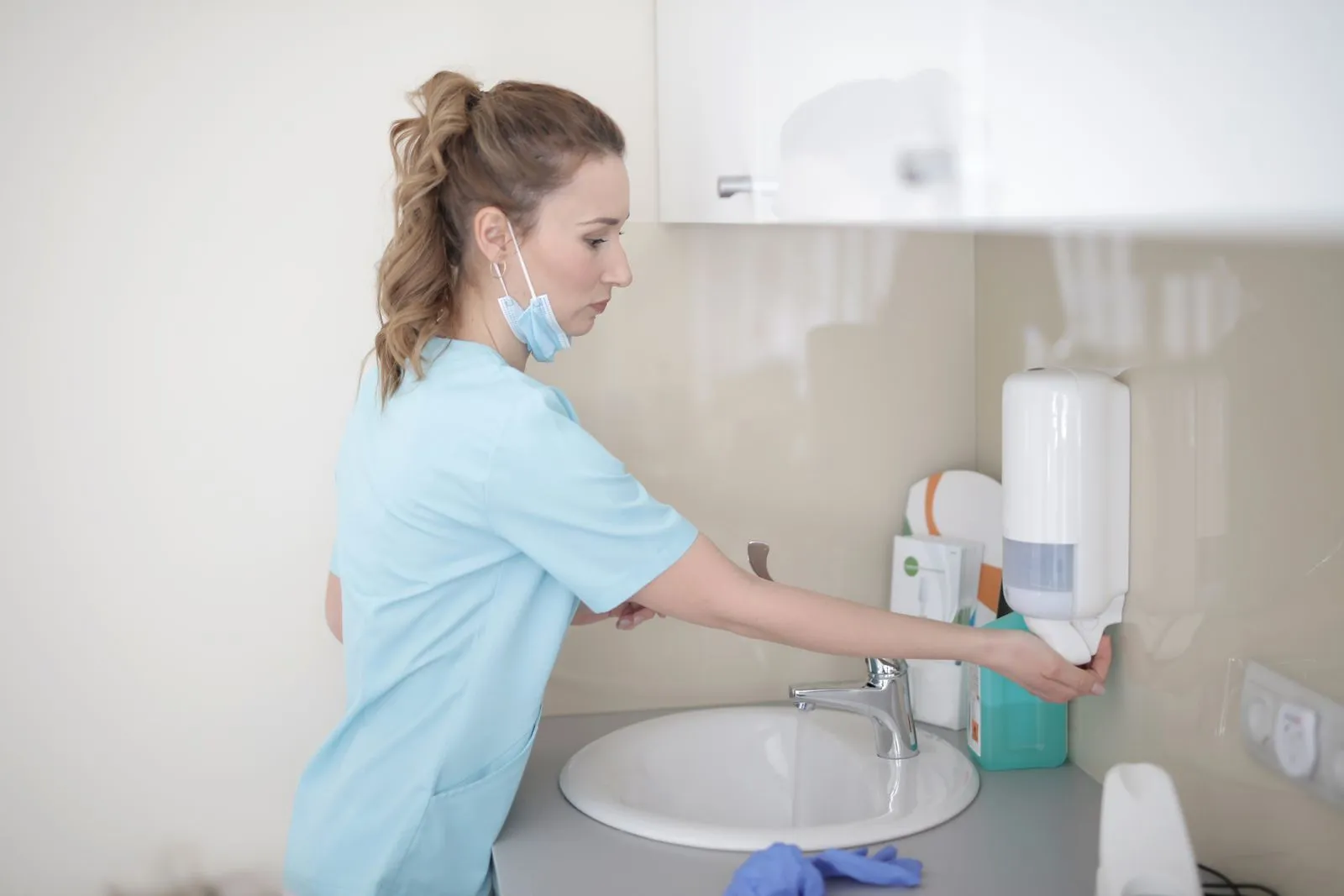
PPE and Infection Control
Certify your team on personal protective equipment and infection-control best practice.
Learn more
Assisted Living State Regulations
Training that maps directly to the state regulations your community must meet.
Learn moreReady to bring this training to your team?
Tell us about your community and we'll get this training set up for your team.